
Clean Drains Help Stop Germs, Odors, and Dirty Water From Spreading in the Home
How drain cleaning services maintain household hygiene comes down to one simple idea: clean drains move waste water away fast and keep dirty buildup from sitting inside pipes. When drains stay clear, your sinks, tubs, showers, and floor drains are less likely to smell bad, collect grime, or back up into living spaces. This helps lower the spread of bacteria, mold, and pests inside a home. In many homes, regular drain care is a basic part of a healthy cleaning routine.
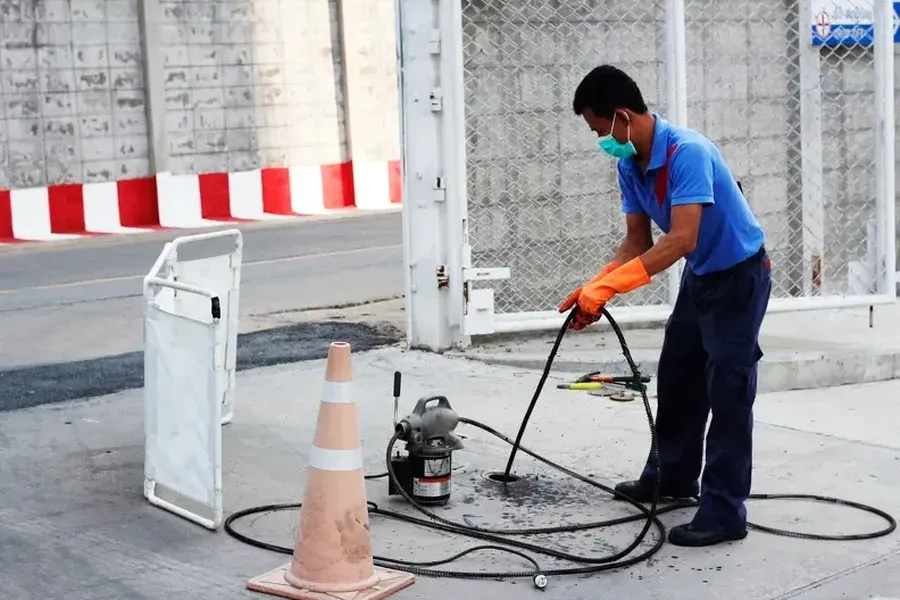
Why Prevention Matters
Drains do more than carry water away. They also carry soap scum, grease, food bits, hair, and other waste. When that waste sticks inside pipes, it starts to rot. That can lead to foul smells, slow draining water, and dirty residue around fixtures. A clogged or dirty drain can also leave standing water behind. Standing water is a problem because it gives germs and mold a place to grow.
A drain cleaning service helps remove that hidden buildup before it turns into a bigger mess. This kind of work supports household hygiene by keeping water moving the way it should. It also helps lower contact with contaminated water from sink or tub backups. Even homes that look clean on the surface can have dirty pipes below.
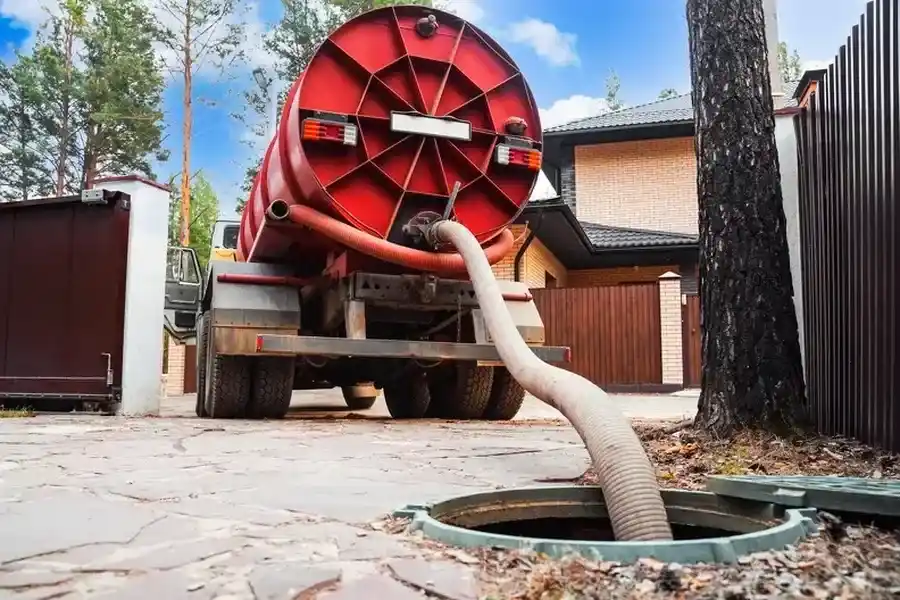
Early Warning Signs
Most drain problems start small. If caught early, they are easier to handle and less likely to affect the home’s cleanliness. Watch for signs that point to buildup inside the pipes.
- Water drains more slowly than usual
- Bad smells come from sinks, tubs, or showers
- Gurgling sounds happen after water runs
- Water backs up into another drain
- Fruit flies or drain flies show up often
- Around-drain areas feel slimy or dirty
These signs often mean waste is starting to collect. If that waste stays in place, it can spread odor and bacteria through the room. In kitchens, old food and grease can create a dirty film. In bathrooms, hair and soap scum can trap moisture and feed mold growth.
Seasonal or Routine Checklist
Good drain care works best when it is part of a routine. Most households do not need major pipe work often, but they do benefit from simple checks through the year. This can apply to any service category keyword tied to home plumbing or sanitation work.
- Check all sinks and tubs for slow drainage once a month.
- Smell near drains for any sour or musty odor.
- Remove visible hair and debris from stoppers and covers.
- Run hot water after heavy kitchen use to help move residue.
- Clean drain covers and the area around fixtures.
- Schedule a drain cleaning service if problems keep returning.
- Have problem drains inspected before holidays or house guests arrive.
This kind of simple routine can help stop a surprise backup. It can also help keep bathrooms and kitchens cleaner day to day. A clean-looking sink is good, but a clean-flowing drain matters too.
Best Practices for Long-Term Results
Homes stay cleaner when people treat drains with care every day. Small habits make a big difference over time. In the kitchen, scrape plates into the trash before washing them. Use a sink strainer to catch food bits. Avoid letting grease cool inside the drain line. In bathrooms, use hair catchers in tubs and showers. Clean them often so they do not overflow.
Another good habit is paying attention after using certain products. Thick cleaners, scrubs, and heavy soap residue can build up inside pipes over time. Even if water still drains, the pipe walls may be getting coated. That coating can trap dirt and support odor. A drain cleaning service can clear those pipe walls more fully than basic home rinsing.
For larger households, drain care matters even more. More people means more soap, more hair, more food waste, and more wear on fixtures. Homes with kids, pets, or frequent cooking often see buildup faster than expected.
What Not to Do
Many people try quick fixes that can make the problem worse. Some methods may push a clog deeper. Others can harm pipes or leave dirty matter behind.
- Do not pour grease down the kitchen sink
- Do not flush wipes, paper towels, or hygiene items
- Do not ignore repeating odors
- Do not use harsh chemical cleaners again and again
- Do not force sharp tools into drains without training
- Do not wait for a full backup before taking action
Chemical drain products may seem easy, but they often do not remove all the buildup. They can also leave fumes in the home and may damage older pipes. If the clog keeps coming back, the real issue is still there. A lasting fix usually means removing the source, not just punching a small hole through it.
When to Schedule Professional Help
Some drain issues need more than a plunger or strainer. If several drains are slow at once, that may point to a deeper blockage. If sewage smell is strong, water backs up often, or mold starts showing near wet areas, it is smart to get help. A professional can inspect the line, clear stubborn waste, and spot damage that may be affecting hygiene.
A drain cleaning service is also helpful for homes with older plumbing, large families, or a history of repeat clogs. Regular service can reduce the chance of dirty overflows and help protect sinks, floors, and cabinets from water damage. By keeping drains clear, a home stays more sanitary and easier to clean.
Get Help Before a Small Drain Issue Turns Into a Hygiene Problem
If drains in Texas City, TX are slow, smelly, or backing up, we can help restore cleaner flow and a healthier home. Contact Texas Plumbing & Backflow LLC to set up service or ask questions about ongoing drain care. Call (409) 655-5230 and let us help you fix the problem before it gets worse.