
Finding Small Pipe Problems Early Helps Your Plumbing Last Longer
Yes, leak detection can help your plumbing last longer. When hidden leaks are found early, pipes, joints, walls, and floors face less water damage and less stress. Small leaks often grow over time. They can cause rust, mold, wood rot, and higher water pressure problems. In homes and buildings around Texas City, TX, finding these issues early can help stop bigger repairs and help the whole plumbing system stay in better shape for more years.
Why Prevention Matters
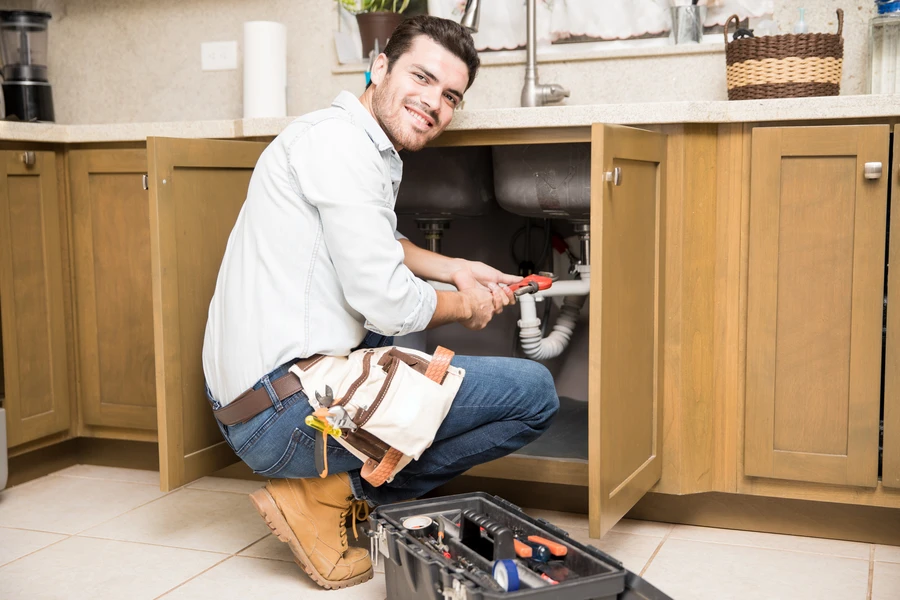
Your plumbing works every day. It brings in clean water and moves waste out. Even a tiny leak can slowly wear the system down. Water can drip behind walls, under sinks, or under the slab. You may not see it right away, but the damage keeps going. leak detection helps spot trouble before pipes crack more, fittings loosen, or water damage spreads. This makes prevention a smart way to protect your home and your plumbing.
Early Warning Signs
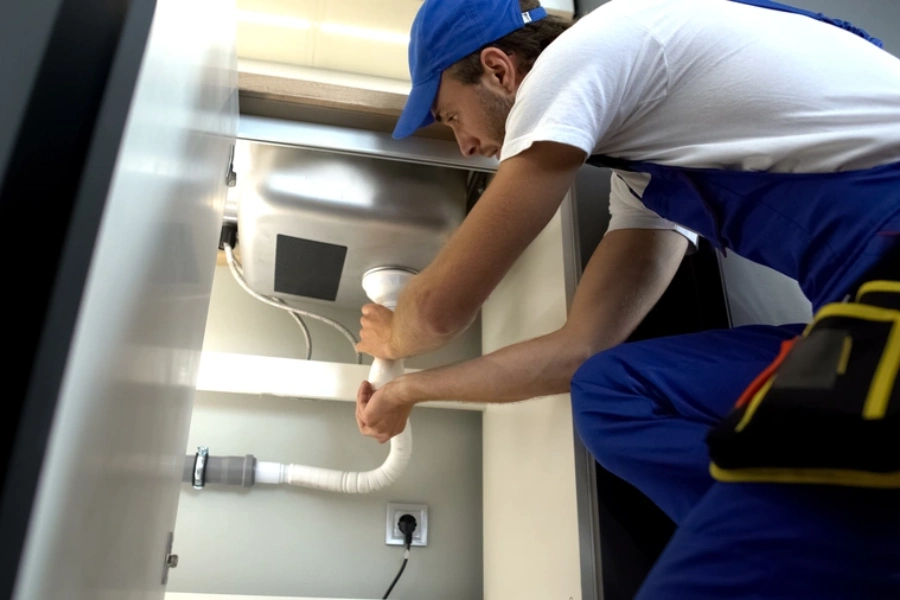
Many leaks start small. That is why the first signs can be easy to miss. A higher water bill is often one of the first clues. You may also hear running water when nothing is on. Some people notice musty smells, damp drywall, peeling paint, or warm spots on the floor. Low water pressure can also point to a hidden leak. If one small pipe issue is left alone, it can put more strain on nearby parts of the system.
- Water stains on walls or ceilings
- Mold or mildew smells
- Bubbling paint or soft drywall
- Puddles near sinks, toilets, or appliances
- Rust on exposed pipes
- A water meter that keeps moving when fixtures are off
These signs do not always mean a major break. Still, they often mean it is time to check the system before the problem gets worse.
Seasonal or Routine Checklist
A simple routine can help you catch leaks early and protect your plumbing over time. You do not need to wait for a burst pipe or a soaked wall. Regular checks can make a big difference.
- Check under sinks once a month for drips or water spots.
- Look around toilets and tubs for loose seals or damp floors.
- Watch your water bill for sudden jumps.
- Test your water meter when no water is running.
- Inspect exposed pipes for rust, corrosion, or green buildup.
- Pay attention to changes in water pressure.
- Schedule leak detection if you suspect a hidden problem.
This type of routine works well for many plumbing and home care plans. It helps stop slow damage before it turns into a large repair job.
Best Practices for Long-Term Results
If you want your plumbing to last, early action matters. A small pinhole leak can weaken a pipe over time. Damp areas can also damage supports, wood framing, and nearby materials. Once corrosion starts, other parts may begin to fail too. By catching leaks sooner, you help your pipes stay cleaner, drier, and under less strain.
It also helps to keep water pressure at a safe level. High pressure can stress pipe joints and valves. If there is already a weak spot, pressure can make that leak spread faster. Good drain habits matter too. Grease, wipes, and heavy buildup can create clogs, and clogs can add pressure where the system is already weak. leak detection works best as part of a bigger care plan that keeps the whole system in mind.
What Not to Do
Some mistakes can shorten the life of your plumbing. One common mistake is ignoring small signs because there is no major mess yet. Another is covering stains with paint without finding the source. People also place too much trust in a quick patch from tape or sealant. Those short-term fixes may slow a drip, but they do not solve the deeper issue.
It is also a bad idea to keep using fixtures that show signs of a leak, like a rocking toilet or a faucet with water around the base. That extra moisture can spread damage and raise repair costs. If a pipe is leaking behind a wall or under concrete, guessing can also lead to broken drywall or flooring in the wrong place. A careful check saves time and can help protect more of the system.
When to Schedule Professional Help
Some leaks are easy to spot, but hidden leaks usually need a trained inspection. If you have a water bill that keeps rising, damp spots with no clear cause, mold smells, or low pressure in more than one area, it may be time for professional leak detection. This is also a smart step if your home is older or has had past pipe issues.
Professional tools can help find leaks behind walls, below floors, or under the foundation without tearing everything apart first. That means the problem can often be pinpointed faster and with less damage to your property. Once the source is found, repairs can be made before the leak causes more wear on the rest of the plumbing system.
Get Help Before a Small Leak Becomes a Big Problem
At Texas Plumbing & Backflow LLC, we help property owners protect their plumbing with careful inspections and honest guidance. If you have noticed warning signs in your home in Texas City, TX, call us at (409) 655-5230. We can help you find hidden leaks early so our work supports a longer life for your plumbing system.