
Clearing Buildup and Waste From Pipes Helps Stop Bad Smells From Coming Back
How sewer line cleaning reduces odors in homes often comes down to one simple thing: trapped waste and buildup inside the drain system can create strong smells, and cleaning the line removes much of that odor source. When the main pipe flows better, sewer gas and dirty residue have less chance to sit, rot, and stink up sinks, tubs, floors, or yard areas. In many homes, a good cleaning can make indoor air smell cleaner and help stop repeat odor problems.
Quick Diagnosis Summary
If a home smells like sewage, mildew, or rotten waste, the sewer line may be partly blocked or coated with grime. A clog does not always stop water right away. Sometimes it only slows the flow enough for waste to sit too long in the pipe. That standing waste can give off foul smells that drift back into the home. sewer line cleaning helps by washing out sludge, grease, and debris that hold odor.
Common Symptoms
Bad sewer smells can show up in a few ways. Some are easy to spot. Others seem small at first, then get worse over time. The smell may come and go after showers, laundry, or dishwashing. That pattern can point to a dirty or blocked main line.
- sewage smell near sinks or tubs
- odor around basement drains
- gurgling sounds from toilets or drains
- slow draining water in more than one fixture
- smells outside near the yard or cleanout
- toilet water bubbling after using a sink
When several of these signs happen together, the problem may be deeper than a simple sink clog. That is when sewer line cleaning can help find and fix the real cause.
Likely Causes
There are a few common reasons sewer odors build up in a home. Grease is a big one. Even if grease goes down hot, it cools and sticks to pipe walls. Over time, it traps bits of food and waste. Hair, soap scum, wipes, and paper products can add to the mess. In older homes, roots can break into the line and catch debris. All of this can create a dirty layer that smells bad.
Another cause is poor drainage from a partial blockage. Wastewater that cannot move fast enough may sit in low spots of the pipe. As it sits, bacteria grow and strong odors form. In some cases, service category issues connect to the problem too, such as trouble in nearby drain lines, venting, or other parts of the sewer system.
What to Check First
Before jumping to the main line, check a few simple things. A dry floor drain can let sewer gas enter the home. Running water into that drain may help if it has not been used in a while. Also check whether one drain smells bad or many do. One smelly sink may point to a local drain issue. Several drains smelling at once often points to a bigger sewer problem.
- run water in rarely used drains
- check for slow drainage in tubs, sinks, and toilets
- notice if odors get worse after heavy water use
- look outside for wet spots or sewer smell in the yard
- see if more than one fixture backs up
These checks can help narrow down where the smell starts. They can also help explain why sewer line cleaning may be the right next step.
Safe Fixes Vs Pro-Level Fixes
Some small odor problems can be handled safely at home. Flushing a dry drain trap with water is one example. Cleaning a sink overflow or removing hair from a tub drain may also help if the smell is close to that fixture. A mild cleaning of the drain cover area can remove surface grime that smells bad.
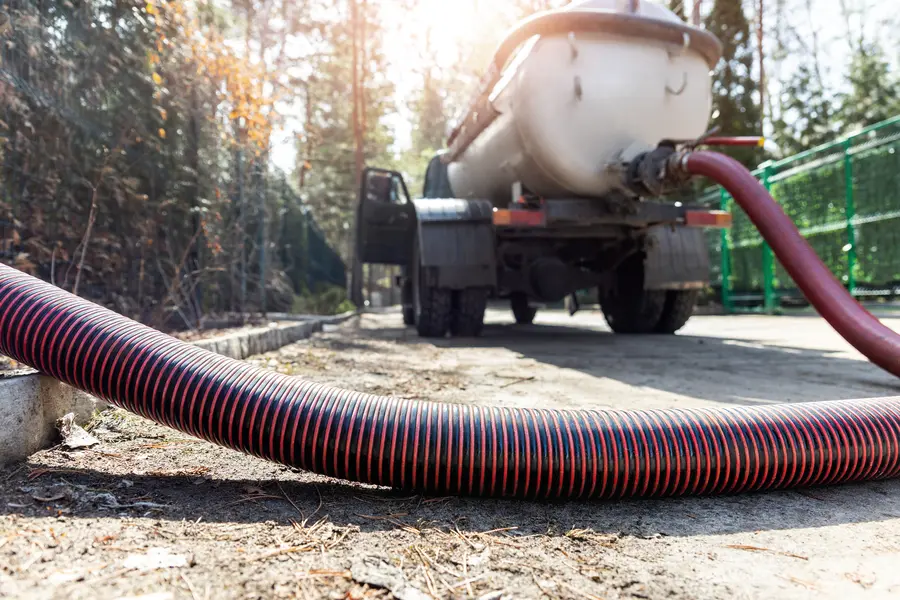
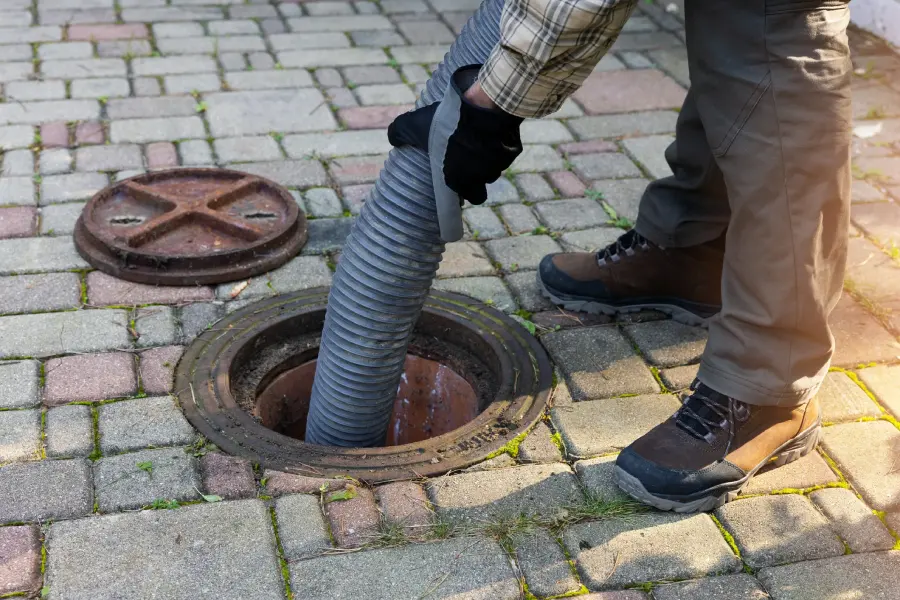
But deeper sewer line issues are different. Store drain cleaners may not remove heavy buildup in the main line. Some harsh products can even damage pipes or make later repairs harder. If roots, thick sludge, or a large blockage are inside the line, professional equipment is often needed. Methods like snaking or hydro jetting can break up or wash out the material causing the smell. A camera inspection may also be used to see what is inside the pipe.
Professional sewer line cleaning does more than open a path for water. It can remove the dirty coating along the pipe wall where odor-causing bacteria live. That is why the home may smell better even when there was no full backup before.
Prevention Tips
Keeping odors away often means keeping buildup from forming in the first place. Simple habits make a big difference. Do not pour grease down the sink. Keep wipes, paper towels, and hygiene items out of toilets. Use drain screens where they help catch hair and food bits. If a home has had repeat line issues, routine sewer line cleaning may stop odors before they start again.
- throw grease in the trash after it cools
- use only toilet paper in toilets
- clean drains before they get very slow
- watch for tree roots near older sewer lines
- schedule inspections if odors keep returning
It also helps to pay attention after storms or heavy use. A line that is already narrow from buildup may start smelling worse when extra water moves through it. Small warning signs should not be ignored for too long.
Final Recommendation
If sewer smells keep coming back, the problem may be hidden inside the main pipe where basic cleaning cannot reach. At Texas City, TX, foul odors, slow drains, and gurgling fixtures are signs that the line may need more than a quick home fix. Texas Plumbing & Backflow LLC can inspect the issue, clean the pipe, and help us find the best next step for lasting results. Call us at (409) 655-5230 if you want help stopping sewer odors and getting your home smelling fresh again.