
Fast Warning Signs That Mean Your Plumbing Problem Needs Help Right Away
Some plumbing problems can wait a day or two. Others need fast action. Signs you need emergency plumbing repair services include burst pipes, sewer smells, water backing up into sinks or tubs, no running water, big leaks, and water near electrical parts. If you notice these issues in Texas City, TX, it is smart to act fast. Quick care can help limit water damage, mold, and damage to floors, walls, and cabinets.
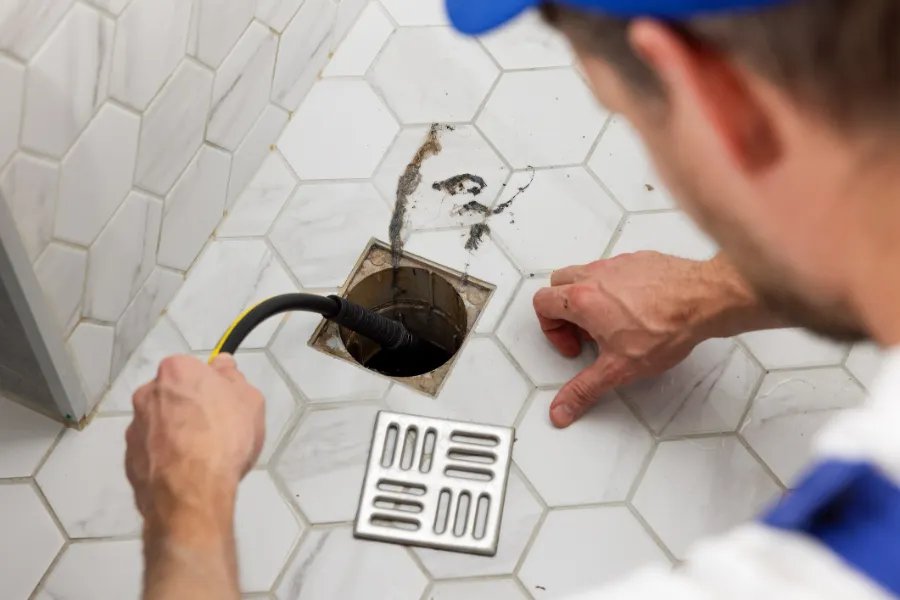
Quick Diagnosis Summary
Emergency plumbing trouble usually has one thing in common. It puts your home, health, or safety at risk right away. A slow drip under a sink may be annoying, but a pipe that bursts behind a wall is a different story. The same is true for sewage backup, an overflowing toilet that will not stop, or a water heater leak that spreads across the floor. These are not just small plumbing issues. They often need emergency plumbing repair as soon as possible.
Common Symptoms
Many homeowners wait because they hope the problem will stop on its own. That can make the repair harder later. Watch for signs that point to a true plumbing emergency.
- Water stains growing fast on walls or ceilings
- Puddles forming around toilets, sinks, or the water heater
- Low water pressure in more than one fixture
- No water coming from faucets
- Gurgling drains with water backing up
- Bad sewage odor inside the home
- Toilet overflow that keeps returning
- Hot water tank leaking or making loud popping sounds
- Frozen pipes that may split open
If you see one or more of these signs, the issue may be more than a basic clog or worn washer. Fast repair can help stop bigger damage.
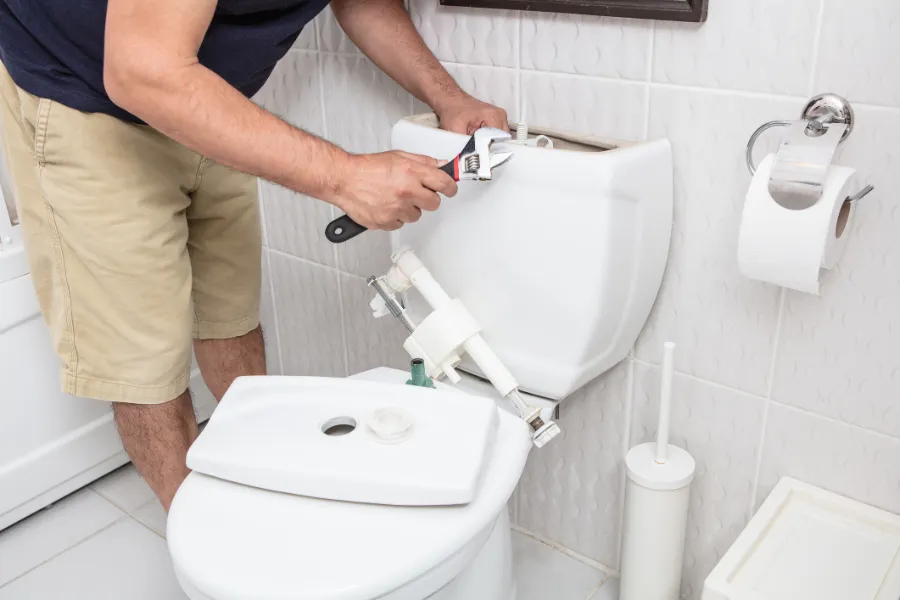
Likely Causes
Plumbing emergencies happen for a few common reasons. Older pipes can crack or corrode over time. Clogs can build up from grease, wipes, hair, or tree roots. In cold weather, water inside pipes can freeze and expand. That puts pressure on the pipe until it breaks. Water heaters can fail from age, rust, or sediment buildup. Sewer lines can also crack or shift, which leads to sewage backup inside the home.
Some emergencies start with a small warning sign. A drain that gets slower each week may turn into a full backup. A tiny leak under a sink may soak wood and drywall for days before anyone sees it. Even though the service category keyword is not listed here, the problem still falls under plumbing system care and repair. That is why early action matters.
What to Check First
Before help arrives, there are a few safe things you can check. The goal is not to do a full repair. The goal is to reduce damage and get clear on what is happening.
- Shut off the water if a pipe is leaking fast.
- Turn off the water heater if it is leaking.
- Do not use sinks, tubs, or toilets if sewage is backing up.
- Move rugs, boxes, and other items away from standing water.
- Take photos of the problem for your records.
- If water is near outlets, leave the area and use caution.
If you know where the main shutoff valve is, use it when water is flowing where it should not. If you do not know where it is, this is a good reminder to learn before an emergency happens.
Safe Fixes Vs Pro-Level Fixes
Some minor plumbing issues can be handled with simple tools. A basic sink clog may clear with a plunger. A loose connection under a sink may need gentle tightening. But real emergencies often go beyond safe do-it-yourself work. A hidden pipe leak, sewer line backup, burst pipe, or failing water heater can get worse very fast.
Here is a simple way to think about it. Safe fixes are small steps that reduce risk, like shutting off water or placing a bucket under a drip. Pro-level fixes are repairs that need training, tools, and the right parts. Cutting into walls, replacing supply lines, handling sewage, and fixing broken drain lines are jobs that usually need a licensed plumber. Emergency plumbing repair is often about stopping damage first and then fixing the source the right way.
Prevention Tips
You cannot stop every plumbing emergency, but you can lower the chance. A little upkeep goes a long way. Check exposed pipes for rust, stains, or small drips. Keep grease and food scraps out of kitchen drains. Do not flush wipes, paper towels, or hygiene products. Insulate pipes in cold spots. Flush the water heater as needed to help with sediment. If your home is older, ask about a plumbing inspection before a leak or backup starts.
It also helps to pay attention to the small signs. Strange smells, slow drains, banging pipes, and uneven water pressure can all point to trouble building in the system. Many big emergencies start as small warnings that were easy to miss.
Final Recommendation
If you notice burst pipes, sewage backup, major leaks, or loss of water, do not wait too long to get help. Fast action can help protect your home and lower the cleanup that comes after. In Texas City, TX, quick service matters when water is spreading or drains stop working. At Texas Plumbing & Backflow LLC, we handle emergency plumbing repair with care and clear communication. Call us at (409) 655-5230 if you need help and want our team to take a close look.