
Fast Help Usually Starts With a Quick Check, a Clear Plan, and Safe Next Steps
If you need emergency plumbing repair, the visit usually follows a simple path. The plumber will ask what happened, check the problem area, stop active damage if possible, and inspect the plumbing system for the cause. After that, you will get an explanation of what is wrong, what can be fixed right away, and what may need more work later. This helps you stay calm and know what comes next during a stressful plumbing problem.
What You Need Before the Visit
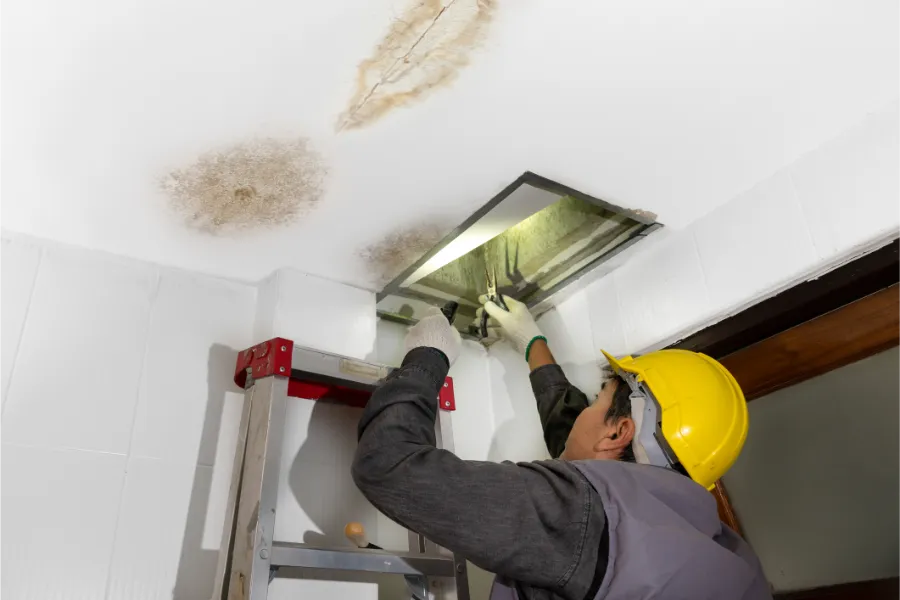
You do not need to do a lot before help arrives. Still, a few simple steps can make the visit smoother and safer. If you can, turn off the water at the main shut-off valve. If the issue involves a water heater, gas line, or major leak, keep people away from the area until it is checked. Move towels, rugs, storage bins, and other items away from standing water or dripping pipes.
It also helps to gather basic details. Think about when the problem started, what you noticed first, and whether it has happened before. That information can help speed up emergency plumbing repair and give the technician a better idea of what to inspect. If your home has had recent plumbing work, mention that too. Even a small detail can matter.
- Turn off the main water supply if you can
- Clear the path to the leak, drain, or fixture
- Write down when the problem began
- Take note of strange sounds, smells, or water stains
- Keep pets and children away from the work area
Step-by-Step Process During the Visit
Most emergency calls follow the same basic steps. The goal is to find the source fast, reduce damage, and decide on the safest repair. The exact order may change based on the issue, but the visit often looks like this:
- The plumber asks questions about the problem and checks the affected area.
- The water supply may be shut off or tested to stop the leak.
- Fixtures, pipes, drains, or valves are inspected for damage or blockage.
- Tools may be used to test pressure, find hidden leaks, or clear a line.
- You get a plain-language explanation of the cause and likely fix.
- The urgent repair is completed if conditions allow safe work right away.
- The area is checked again to confirm the plumbing is working as it should.
For example, if a pipe bursts behind a wall, the first step is often stopping the water and checking how far the leak spread. If a toilet backs up, the plumber may inspect the fixture, test the drain line, and look for a deeper clog. If a water heater stops working and leaks onto the floor, the tank, valves, and nearby connections may all need inspection.
Common Mistakes to Avoid
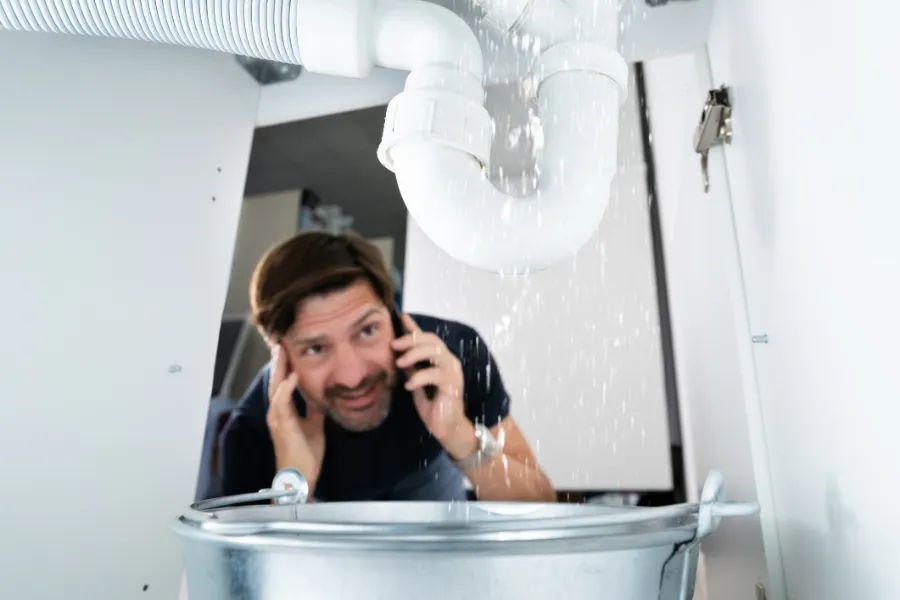
People often try to help before a plumber gets there, but some actions can make things worse. One common mistake is using too much drain cleaner in a clog. Harsh chemicals can damage pipes and create a safety risk during emergency plumbing repair. Another mistake is ignoring a small leak that suddenly becomes steady or spreads to the floor, ceiling, or wall.
It is also a bad idea to keep running water when there is a backup, low pressure, or a known pipe break. That can add more water where it should not be. Some people also remove parts under a sink or behind a toilet without knowing how to put them back. That can slow down later repairs and create a bigger mess. If the service category relates to general plumbing work, the same rule applies: stick to safe basics and wait for a proper inspection when the problem is urgent.
When a Repair Can Be Done Right Away and When It May Take Longer
Many emergencies can be repaired during the first visit, but not all of them. A simple valve failure, loose connection, or visible pipe crack may be fixed quickly. A clogged drain may also be cleared during the same visit if the blockage is close and easy to reach. These cases often move fast once the cause is confirmed.
Some problems take longer. Hidden leaks inside walls, broken sewer lines, major slab leaks, and damaged water heaters may need extra parts, more testing, or follow-up work. In those cases, the first visit still matters a lot. It can stop active damage, make the area safer, and set the next step so the full repair can move forward without delay.
When to Call a Professional
You should call for professional help when water is leaking fast, drains are backing up into sinks or tubs, a toilet is overflowing and will not stop, or you smell gas near plumbing equipment. Other warning signs include water stains spreading across ceilings, no running water in part of the house, or a water heater leaking from the tank. These issues can damage floors, walls, and personal items in a short time.
Even if the problem seems small, it is smart to call when you cannot find the source or when a shut-off valve does not work. Emergency plumbing repair is about more than stopping water. It is also about finding the reason the problem started and checking for hidden damage. A fast response can help limit repairs later and make your home safer now.
Final Recommendation
If you need help in Texas City, TX, call (409) 655-5230 for prompt support. At Texas Plumbing & Backflow LLC, we handle urgent plumbing problems with clear updates and practical next steps, and we are ready to help when you need us.